


- Citari Diaries
- Citari Events
- Citari for You
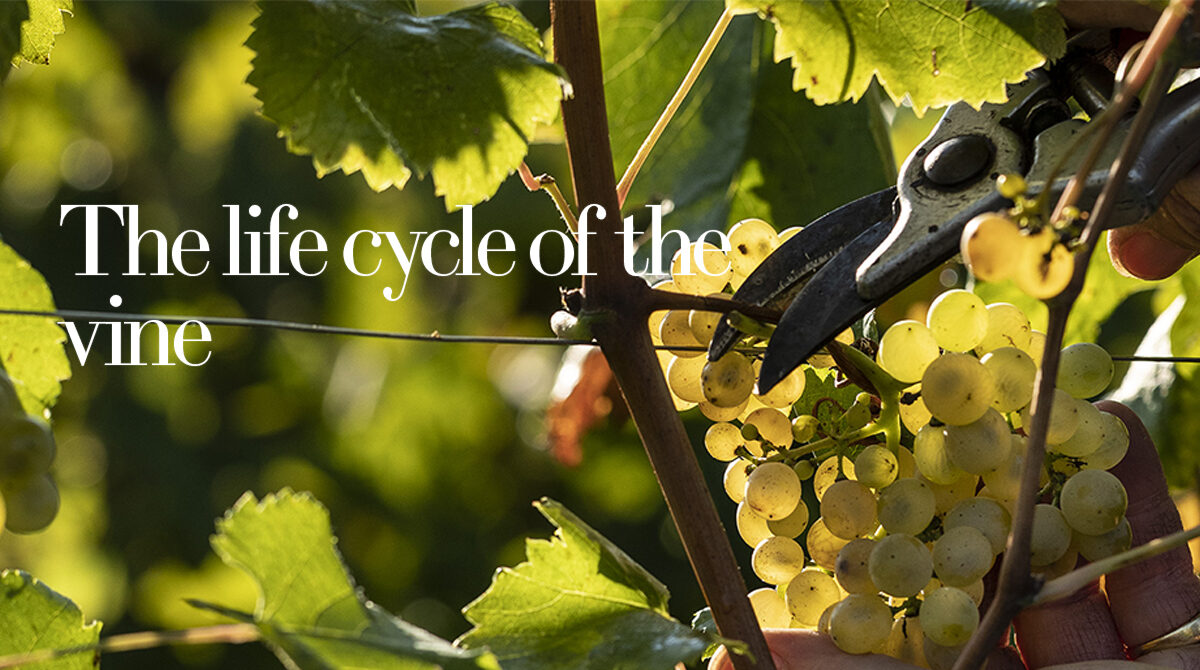
The life cycle of the vine. From the crying of the vine to the harvest we retrace the main phases from the birth to the harvest of the grapes.
Crying of the Vine
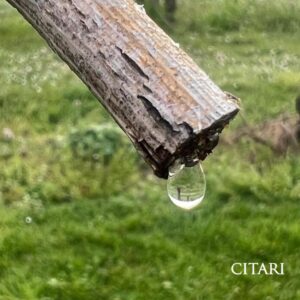
With spring, nature awakens and with it the vines. During this period, walking through the vineyards, you will notice a singular phenomenon known as the “Crying of the Vine“. A crying vine is not sad, on the contrary it releases vitality. This extraordinary phenomenon marks the awakening of the plant after the winter rest and the resumption of its life cycle.
Sprouting
In April, after the crying, we witness budding, with the appearance of the first buds which will evolve into leaf development which, after another 20 days or so, will begin flowering. Already from the buds and the structure of the leaves it is possible to recognize the type of grape grown in a vineyard.
Trimming
After crying, flowering and tying, trimming takes place. It consists of a green pruning useful for limiting the development of the shoots and foliage, thus favoring the penetration of light and the passage of air inside it with positive effects on the ripening of the grapes and on controlling the development of fungal diseases.
Veraison
For those who produce wine, summer corresponds to a new phase in the life cycle of the vine. In these days, once flowering and fruit setting have finished – the actual formation of the bunch – the veraison phase begins. What is it about?
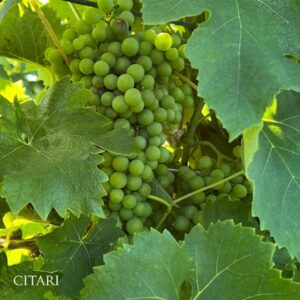
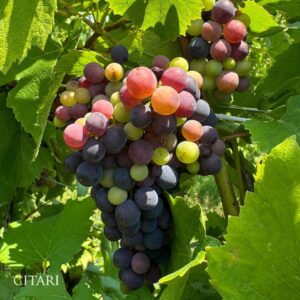
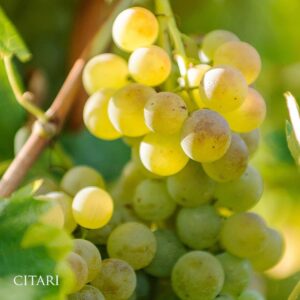
Veraison is the moment in which the ripening of the grapes begins. Once the herbaceous phase is over, the grapes change color from green to their definitive color: purplish red for red grapes and yellow for white grapes. Since veraison is an easily visible phenomenon, it was often interpreted to predict the start date of the harvest. For white grapes, such as our native Turbiana and Tuchi grapes, carotenoids will determine their final yellow and golden colors tending towards bronze with over-ripening. The color of the red grapes, Groppello, Barbera, Marzemino, Sangiovese and Pinot Noir, will be determined by the anthocyanins with colors that will vary from green to purplish red.
These transformations are not immediate and do not occur simultaneously for all bunches. The phenomenon has its own times depending on the variety but also, sometimes, within the same plant or single bunch. Walking through the vineyards these days, each bunch is a splendid palette of colours, unique and in itself, which will continue to change until the end of this process.
Evolution of tastes
While the grapes change color, the grape also evolves in terms of taste, consistency and aromatic substances of the grapes. The vine interrupts photosynthesis and dedicates itself to the synthesis of aromatic compounds and polyphenols which we will then find in the glass; at the same time the sugar concentration will increase and the acid load will decrease until correct maturation.
Harvest
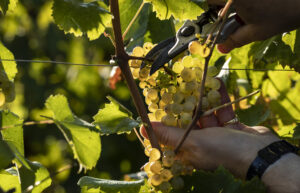
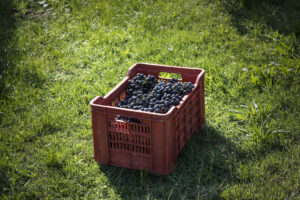
The harvest is the last act of a long series of activities necessary to reach this moment in which the fruits of months of work in the vineyard are harvested. Every gesture and decision accompanied and directed the different phenological phases of the vine according to a very specific type of wine or an oenological project. Everything originates from the vineyard and now with the harvest and subsequent vinification, the transformation of the grapes into that wine that we had already begun to imagine many months earlier, with the winter pruning, begins to materialize.
During ripening, the vine supplies the grapes with coloring and aromatic nutrients. There is an increase in sugar content, a decrease in acidity and the synthesis of aromatic and coloring substances.
Depending on the winemaking project that will lead to the production of the desired wine, we will have to choose the perfect moment in which to harvest the grapes. Our index is precisely its ripeness: in fact, a grape harvested at an early stage of ripeness will produce a wine that favors freshness and acidity, while the same grape harvested when over-ripe or dried will enhance the sugar and alcoholic component, obtaining a more concentrated nectar and structured.
The start date of the harvest will therefore be at the discretion of the producer, and will be determined by the desired ripeness of the fruit.
Ripening
If once the maturation was controlled only by the experience of the producer, today, thanks to specific analyses, four different maturations can be distinguished:
- technological maturation: indicates the relationship between the amount of sugar contained within the berry and that of the total fixed acidity;
- phenological maturation: considers the accumulation and solubility of tannins and anthocyanins (the substances that have begun to form and accumulate with veraison), that is essential for red wines;
- aromatic maturation: the maximum concentration of aromatic components is sought before they begin to decay due to over-ripening;
- physiological maturation: corresponds with the end of the vegetative cycle of the vine, and therefore with the seeds contained in each grape ripe and ready for germination.
The ideally perfect moment would be the moment in which these maturation curves reach their peak at the same time, but in reality it is very difficult if not impossible for this to happen because each one is influenced by many different exogenous and endogenous factors. Just think of the influence of the climate, or the differences in soil and soil humidity, or the exposure of the vineyard. At this point, in addition to science and its rigorous data, the producer’s experience and perfect knowledge of his land and vineyards come into play. With great skill and without possibilities of mistakes, the producer chooses which vineyards or portions of vineyards to harvest from time to time, trying to accommodate, compensate or counteract the seasonality which affects the perfect ripening of the grapes.
Sensory analysis
The experience of many harvests also allows us to evaluate the ripeness of the grapes through sensory analysis, consisting of a visual, tactile and finally gustatory phase:
- the visual analysis considers the color of the skin: during maturation the white grapes go from green to golden yellow to bronze with over-ripening, while the pale pink reds become purplish tending towards black;
- tactile analysis consists of crushing a grape between your fingers to evaluate its consistency which decreases as ripening progresses;
- the gustatory analysis analyzes all the components of the grape by seeking the perfect balance between sweetness, acidity and aromatic imprint in the pulp, chewing the skin of the red grapes to test the intensity of the tannins and finally the colour, taste and the chewiness of the grape seeds.
Science, tradition and knowledge come together in the choice of the exact harvest date, then starting the delicate winemaking phase.
