


- Citari Diaries
- Citari Events
- Citari for You
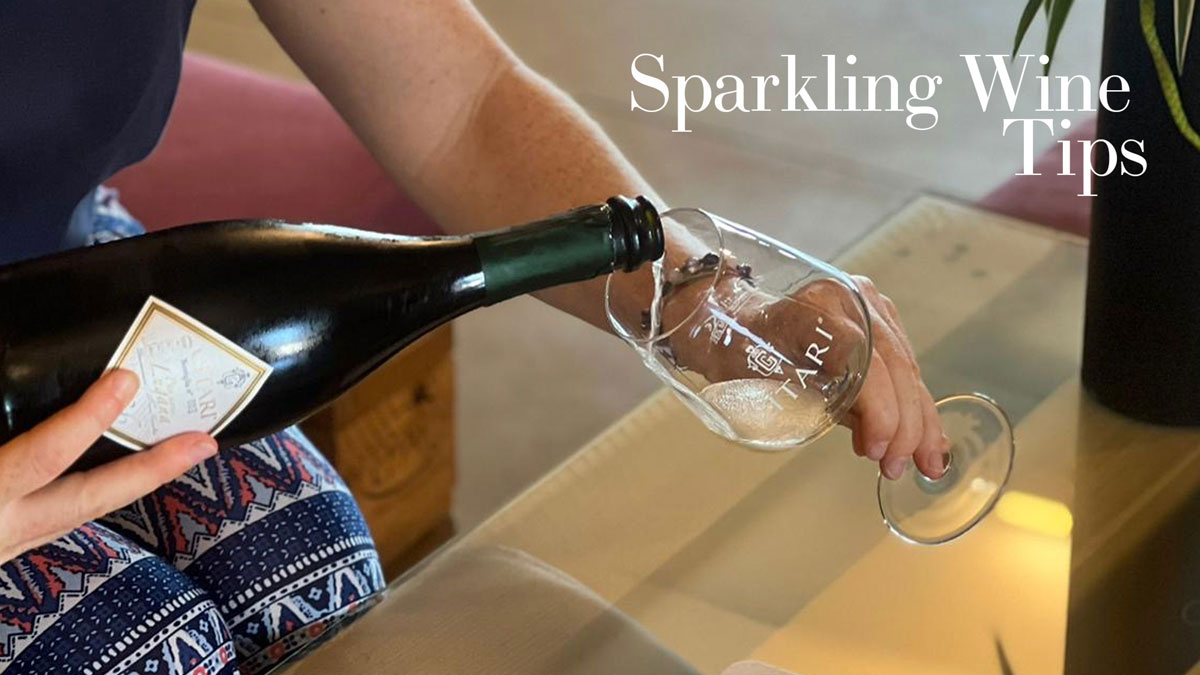
How is the sparkling wine created?
To match small sparkling bubbles with wine there are two totally different methods: Metodo Classico (also known as Champenoise) and Metodo Martinotti (also called Charmat). Both are based on the same concept: a base wine is created and fermented twice; so that bubbles and wine blend together.
Martinotti (Charmat) Method
The base wine ferments again in stainless steel tanks (autoclaves) with controlled pressure and temperature. Monitoring and adjusting these two parameters, in a few months you can obtain what takes many years for Metodo Classico.
With this method you usually obtain easy-to-drink sparkling wines (if compared to Metodo Classico), with primary scents that are fresher and less related to evolution, complexity and elegance typical of the Metodo Classico.
The Metodo Classico (Champenoise)
In this case, once the base wine is obtained, the second fermentation occurs in single bottles, all put in big stacks to rest for years. Once the wine is bottled, it rests there to ferment a second time, and will only be poured in a glass when ready, showing all its perfection.no other step in-between. This is the fascinating part for the producer: the pursuit of perfection. Once in the bottle, we cannot rectify it, we must be perfect in advance, to pamper and accompany it at its best later. Metodo Classico is, from our point of view, the biggest challenge: mistakes are not allowed.
Citari accepted the Metodo Classico challenge with complementary wines, vinified and bottled only in the best vintages: Nero.G and Lugana in purity. The first, resulting from the match between two red grapes vinified in white, while the second being tamed for at least 36 months.
Here is a summary of the stages that bring Metodo Classico to life:
- Creation of the “basis” wine.
- Creation of the Liqueur de Tirage.
- Bottling of base wine adding Liqueur de Tirage. At this point, bottles are closed using a crown cap and lie to rest for years.
- Second fermentation: the liqueur de tirage starts its magic: the easts consume the sugar in the wine producing alcohol and carbonic acid. The bubbles created will remain imprisoned in the bottle.
- Aging: the long wait takes several months or years, during this time the wine develops its evolutions irrevocably and deeply bounding to the bubbles.
- Degorgement: easts have served their purpose and were deposited on a side of the stacked lying bottle. Each bottle gets tilted on Pupitres and rotated once or twice a day so to let the easts slide up to the bottle neck. At the end of this procedure, the bottles has reached a vertical position and residues will only be close to the crown cork, so that it will be possible to eject the unwanted fractions.
- Liqueur d’Expedition: each bottle is filled with the wine quantity lost during the Degorgement
- Closure with the unmistakable mushroom cork and its wire cage.
Watch our reel dedicated to sparkling wines
